




Views: 541 Author: Site Editor Publish Time: 2026-10-10 Origin: Site


The automotive industry is changing quickly. Electric vehicles, driver-assistance systems, connected technologies, and new vehicle designs are changing how people think about transportation.
But while attention is often focused on cars, another part of the mobility market remains important: motorcycles.
For the car wash industry, this raises a practical question:
If motorcycles remain an important part of local transportation and recreation, why should cleaning businesses focus exclusively on four-wheel vehicles?
Motorcycle owners have their own cleaning needs, and those needs are not always well served by traditional car wash services.
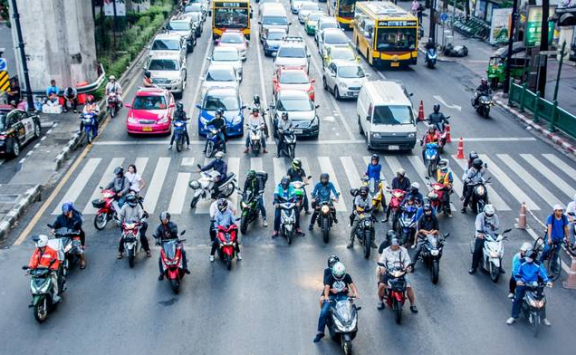
Motorcycle Cleaning Is Not Simply “Smaller Car Washing”
A motorcycle may be smaller than a car, but cleaning one is not necessarily a simpler version of cleaning a car.
Motorcycles contain exposed mechanical components, electrical parts, wheels, chains, and other areas that require appropriate cleaning practices.
That means operators cannot simply assume that any car washing process can be transferred directly to motorcycles.
A dedicated motorcycle cleaning service needs to consider the structure of the vehicle and the expectations of its owners.
This is one reason the emergence of motorcycle-specific washing equipment is worth watching.
Why Could Motorcycle Owners Become a New Customer Group?
The answer starts with simple demand.
Motorcycles get dirty.
Daily commuting, rain, dust, mud, road debris, and recreational riding all create situations where riders need to clean their vehicles.
Yet motorcycle cleaning services are not necessarily as common or standardized as car washing.
That gap may create an opportunity for operators in markets with a strong motorcycle population.
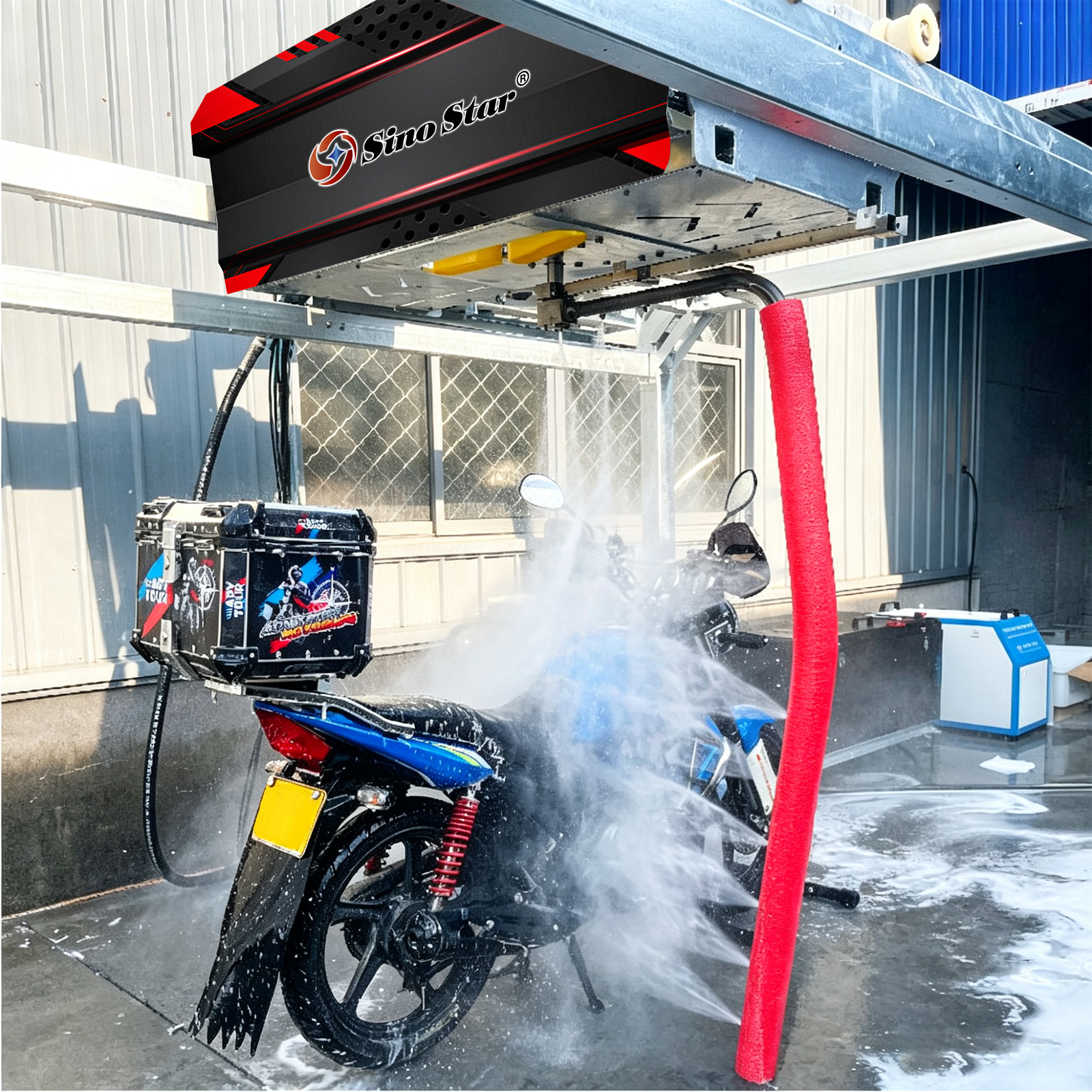
Sino Star's current product range includes motorcycle washing equipment alongside its car wash systems. Its website lists dedicated motorcycle washing solutions, including models designed specifically for motorcycle cleaning rather than simply adapting a conventional car wash setup.
Again, the broader lesson is more important than the machine itself: a car wash business can potentially serve more than one type of vehicle.
What About Helmets?
Motorcycle cleaning also creates another related opportunity: helmet care.
For riders, the helmet is one of the most frequently used pieces of riding equipment. Unlike a motorcycle, however, it is worn directly on the head.
Sweat, moisture, dust, and odors can accumulate inside a helmet over time, creating a different kind of cleaning requirement.
This makes helmet cleaning a potentially complementary service for motorcycle-oriented businesses.
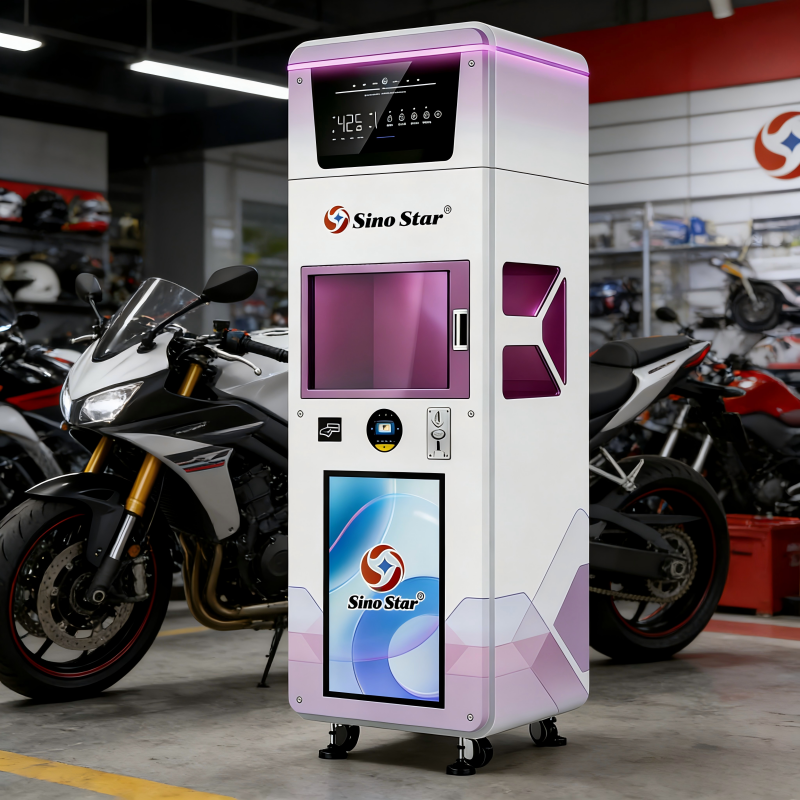
Sino Star's website currently features a self-service helmet cleaning and disinfection machine, with cleaning, disinfection, deodorization, and drying functions.
For a business serving motorcycle riders, the combination makes logical sense: one service addresses the motorcycle, while another addresses the equipment the rider uses every day.
Could One Location Serve Both Cars and Motorcycles?
This is where the idea becomes particularly interesting for existing car wash businesses.
A location does not necessarily need to choose between cars and motorcycles.
If the site, layout, utilities, customer traffic, and local regulations allow it, different cleaning services may be designed around different customer groups.
Sino Star has recently published content specifically discussing the combination of motorcycle washing and self-service car washing, reflecting this two-wheel-and-four-wheel approach.
But operators should not interpret this as a reason to add equipment without research.
The first question should always be local demand.
A motorcycle-heavy city may offer a very different opportunity from an area where cars dominate daily transportation. The best business model is the one that matches the customers who actually live, work, and travel around the site.
The Bigger Trend: From Car Washing to Mobility Cleaning
The motorcycle opportunity points toward a larger change in the industry.
For decades, the term “car wash” accurately described what most businesses did.
But transportation is becoming more diverse, and so are the products people use every day.
Cars, motorcycles, helmets, bicycles, and other mobility-related equipment can all generate cleaning needs.
That does not mean every wash business needs to become a universal cleaning center.
Instead, it suggests that successful operators may increasingly define their services around local mobility habits, rather than simply copying the traditional car wash model.
Cars will remain central to the car wash industry. But that does not mean motorcycles should be ignored.
Where motorcycle ownership and riding culture are strong, dedicated motorcycle cleaning and helmet care could offer an additional business opportunity.
The key is not to assume that every market needs the same solution. It is to understand local customers, identify unmet cleaning needs, and then determine whether the existing location can serve them efficiently.
The future of the car wash industry may therefore be less about choosing between cars and motorcycles and more about recognizing that mobility itself creates a wider range of cleaning needs.
For operators willing to look beyond the traditional definition of a car wash, that could open up an entirely different way of thinking about the business.
To explore more professional washing technologies, equipment demonstrations, and global installation cases, visit the official YouTube channel: Sino Star Car Wash