





Views: 537 Author: Site Editor Publish Time: 2026-07-04 Origin: Site


Over the past few years, the global car wash industry has been wrestling with an increasingly stark reality—the recruitment crisis.
Whether in the United States, Australia, the Middle East, or Latin America, car wash operators are facing identical headaches: high employee turnover rates, lengthy training bottlenecks, and relentlessly rising labor costs. When business is steady, these underlying vulnerabilities are easy to overlook. However, the moment a core employee unexpectedly resigns, many owners face a rude awakening. They realize that their seemingly straightforward daily operations were, in fact, dangerously dependent on manual labor.
Against this backdrop, an increasing number of car wash stations are re-evaluating the true value of automation. For modern operators, automated equipment is no longer just a tool to boost speed; it has become the fundamental bedrock for business continuity and operational stability.
When Staff Leave, Operational Flaws Explode
In their early stages, many car wash businesses rely heavily on a handful of experienced employees to keep things running smoothly. From booting up machinery and conducting daily maintenance to greeting customers and managing the yard, these critical tasks are often concentrated in the hands of a few key individuals.
The breaking point occurs when these employees walk away. Operators suddenly discover a glaring lack of standardized processes:
l The Training Loop: New hires require extensive retraining, during which service quality inevitably fluctuates.
l Maintenance Oversight: Critical equipment care is easily missed by inexperienced hands.
l Lost Revenue: If a vacancy hits during peak season, customer wait times skyrocket, leading directly to lost revenue and damaged online reviews.
Industry Insight: Many seasoned car wash operators now agree that the single greatest risk to a facility isn't mechanical failure—it is an over-reliance on manual labor.
Automated Equipment Is Redefining Car Wash Operations
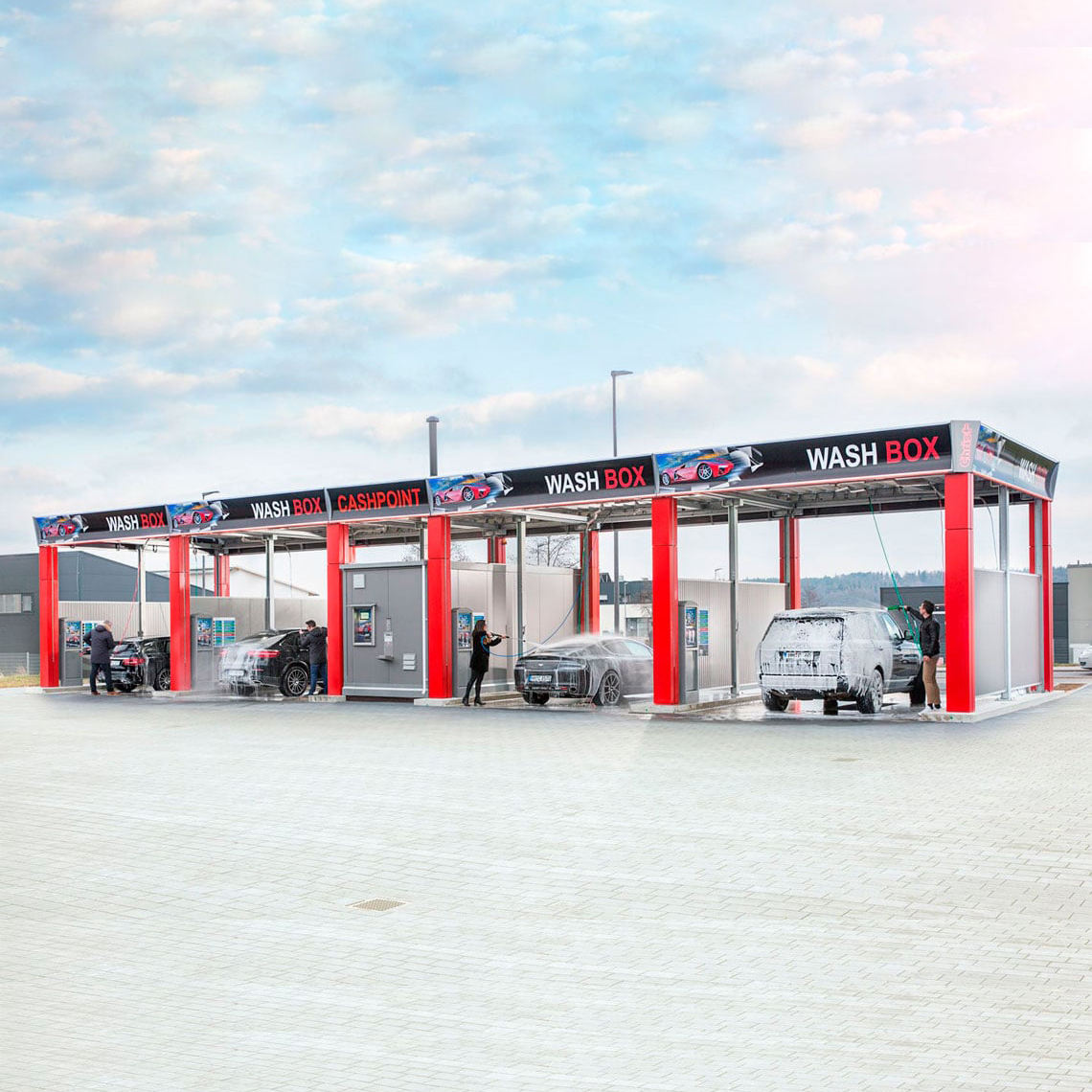
Thanks to rapid advancements in automatic car wash technology, tasks that once required intensive manual labor are seamlessly being handled by intelligent machinery. Automatic car wash machines execute the vast majority of the exterior cleaning process with precision and zero human intervention. Meanwhile, self-service car wash machines empower drivers to manage their own vehicle detailing at their own pace, and smart payment systems drastically reduce the need for on-site cashiers and manual transaction management. For the business owner, the ultimate value of this shift isn't just shaving one salary off the monthly payroll; it is the absolute standardization of the entire operational pipeline. Whether a customer rolls in at 9:00 AM on a quiet Monday or during the chaotic Saturday rush, they receive the exact same high-quality service. Recognizing this critical need, forward-thinking equipment manufacturers like Sino Star are continuously engineering automated and intelligent solutions designed to decouple a station's success from its dependency on manual labor.
Rising Labor Costs Are Accelerating Industry Transformation
In recent years, statutory minimum wages have steadily climbed across multiple global regions, creating a compounding squeeze on profit margins for labor-intensive businesses. The traditional manual hand-wash model requires a massive headcount, meaning costs for wages, insurance, and training scale up linearly. In contrast, while the investment in automated car wash equipment represents a larger upfront capital expenditure, its ongoing operational expenses are remarkably predictable. This financial reality explains why an overwhelming majority of newly planned car wash stations integrate automatic car wash machines, self-service bays, and unmanned management architectures right from the blueprint phase. Investors today look past initial price tags; they focus squarely on long-term operational efficiency and predictable overhead.
The Rise of the Unmanned Car Wash Model
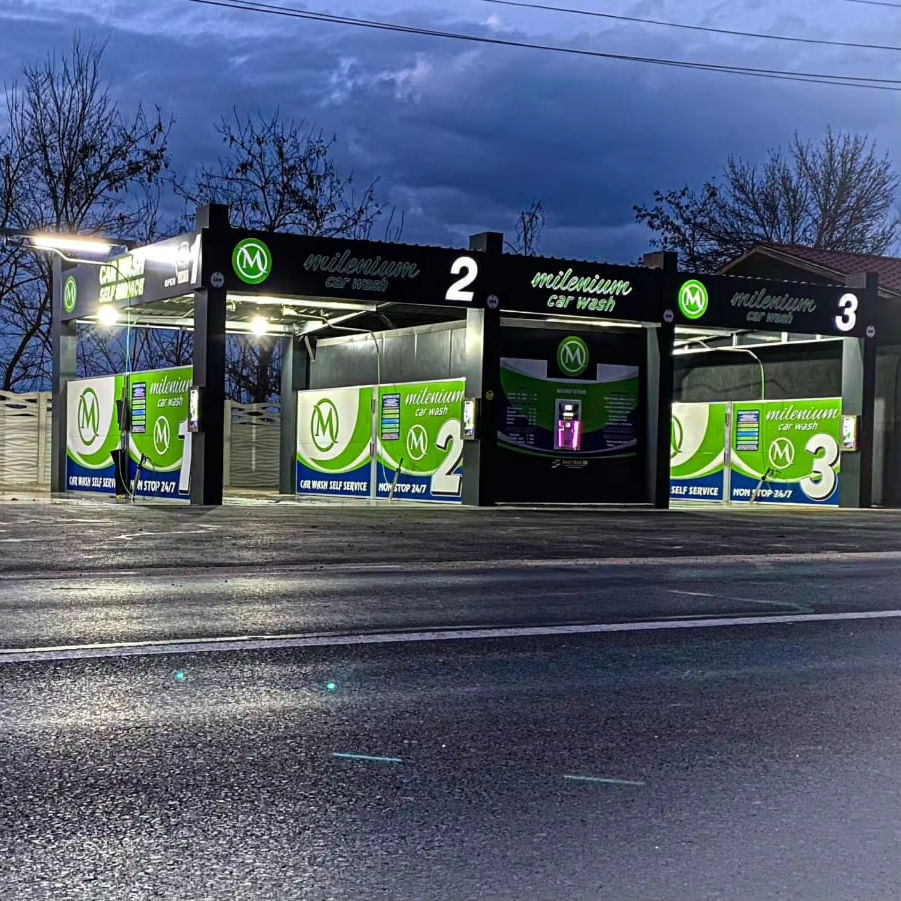
In highly developed markets, the unmanned car wash is no longer a futuristic concept—it is the baseline standard. By leveraging automated payment kiosks, remote cloud-monitoring platforms, and smart diagnostics, a single operator can efficiently manage multiple locations simultaneously. This lean framework liberates the business owner from the daily grind of staff scheduling and workplace disputes, allowing them to focus entirely on local marketing, customer loyalty programs, and regional expansion. As cloud-based management systems become more sophisticated, the reality of one person managing an entire network of car wash stations is rapidly becoming the industry norm.
Automation Is Not About Replacing Staff—It’s About Mitigating Risk
When people discuss automation, the immediate assumption is often workforce reduction. However, in the car wash industry, the true superpower of automation is risk mitigation. Machinery does not call in sick, it doesn't leave for a competitor mid-season, and its performance never drops due to burnout. By establishing standardized workflows through automated hardware, a car wash station can maintain peak performance regardless of sudden shifts in the labor market. This is precisely why institutional investors looking to scale their portfolios prioritize top-tier automated machinery over traditional, labor-heavy setups.
The Future Belongs to Asset-Light Hubs
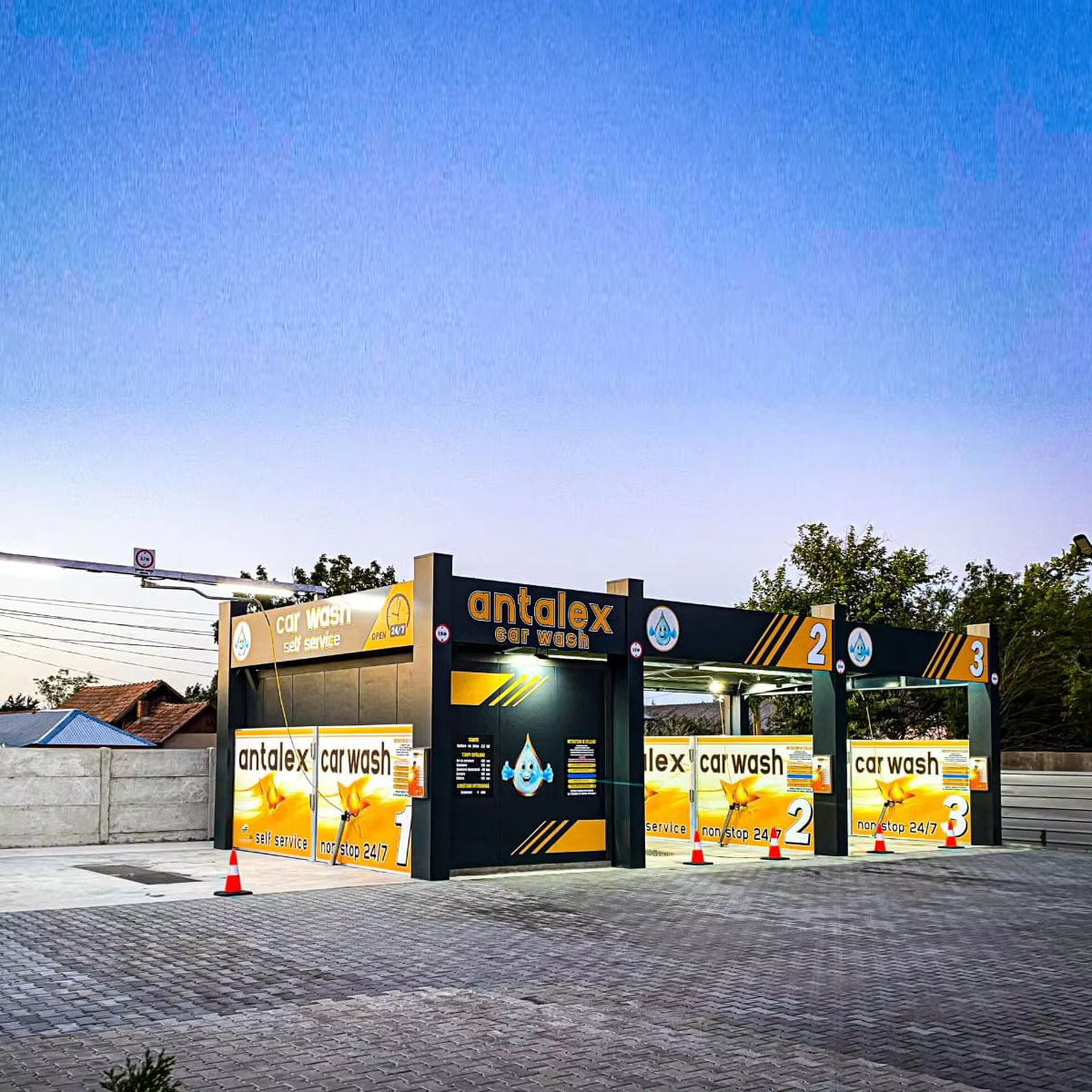
The trajectory of the global car wash industry is pointing toward an increasingly automated, operation-light model. Automatic car wash machines, self-service systems, smart payment kiosks, and remote cloud management will together form the infrastructure of tomorrow's car wash station. Human staff will still hold a place in the industry, but their roles will radically pivot away from repetitive, back-breaking labor. Instead, they will step into higher-value roles focused on customer relations, brand ambassadorship, and strategic equipment maintenance. For operators aiming for long-term commercial viability, automated machinery is no longer an optional luxury—it is an existential requirement.
It frequently takes the sudden departure of a key staff member for a car wash operator to truly appreciate the protective shield of automation. As global labor costs continue their upward march and market competition tightens, relying on automated machinery to secure standardized, uninterrupted operations is the defining choice of successful stations. The future of the car wash industry will not be won by the business with the largest headcount, but by the business that leverages technology to achieve the most stable, efficient, and scalable operation. Industry innovators like Sino Star stand ready at the forefront of this evolution, developing the cutting-edge hardware and software solutions that make this vital transformation possible.
To explore more global installation examples, follow Sino Star Car Wash on YouTube.