





Views: 534 Author: Site Editor Publish Time: 2026-11-12 Origin: Site


When more car wash businesses enter the same market, operators can find themselves caught in a familiar cycle. One competitor lowers prices, another introduces a promotion, and everyone feels pressure to respond.
Discounts can attract attention and encourage customers to try a service. However, if customers choose primarily on price, operators may find themselves repeatedly reducing margins without building a lasting advantage.
Price is only one part of the customer decision. Location, cleaning quality, waiting time, convenience, and ease of payment can also influence where people choose to wash their vehicles.
When price competition becomes difficult to sustain, the more important question may not be how much further to discount. It may be whether the business model itself needs to change.
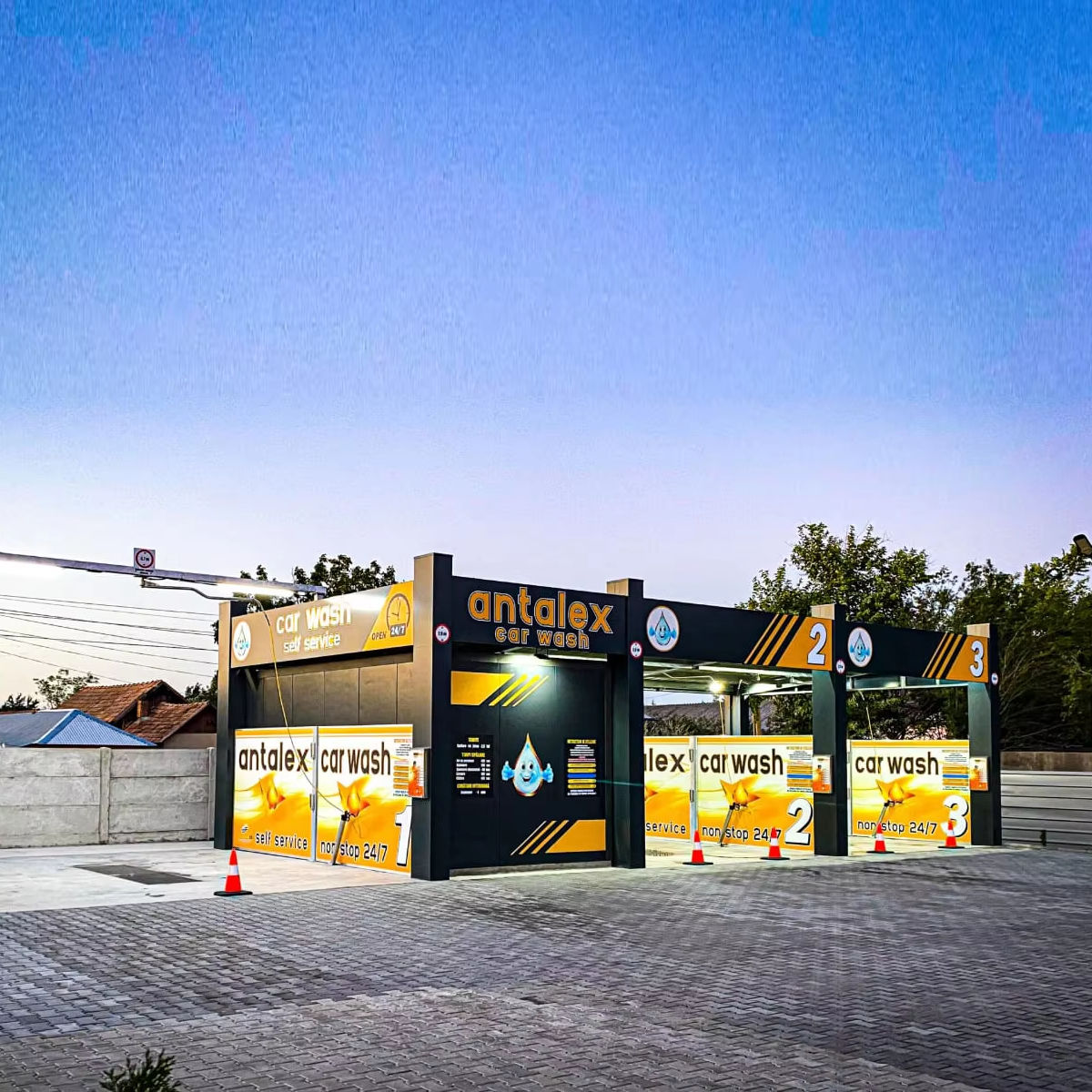
Why Is It Becoming Harder to Stand Out With Car Washing Alone?
Imagine several car washes in the same area offering similar services. If customers cannot see a meaningful difference in quality, convenience, or experience, price becomes an easy way to compare them.
But lowering prices does not automatically reduce operating expenses. Rent, wages, equipment maintenance, utilities, and cleaning supplies still need to be paid for.
When revenue per wash falls while costs remain relatively stable, the business may need more customers to generate the same revenue. This can put additional pressure on busy periods and leave less room for maintenance, improvements, or unexpected expenses.
Price promotions can still play a useful role, particularly when attracting new customers or encouraging visits during quieter periods. The problem arises when discounts become the only way to compete.
A sustainable pricing strategy starts with understanding costs and communicating a clear reason for customers to choose your service.
Differentiation Starts With Understanding Why Customers Choose You
A car wash does not necessarily need expensive equipment or a large number of additional services to stand out. Sometimes, the first step is to identify problems in the existing customer experience.
Do customers frequently wait too long? Is pricing easy to understand? Is the washing process consistent? Is the entrance convenient? Can customers choose a service that fits their budget and schedule?
These questions may seem simple, but they relate directly to customer satisfaction.
For some operators, improving vehicle flow, simplifying the service process, or clarifying the differences between service options may be more valuable than immediately investing in new equipment.
The objective is to create a benefit that customers can recognize. When people understand what makes a car wash different, they have more reasons to consider factors beyond price.
Automatic and Self-Service Washing Offer Different Business Models
Changing the operating model may be one way to address the limitations of price-based competition.
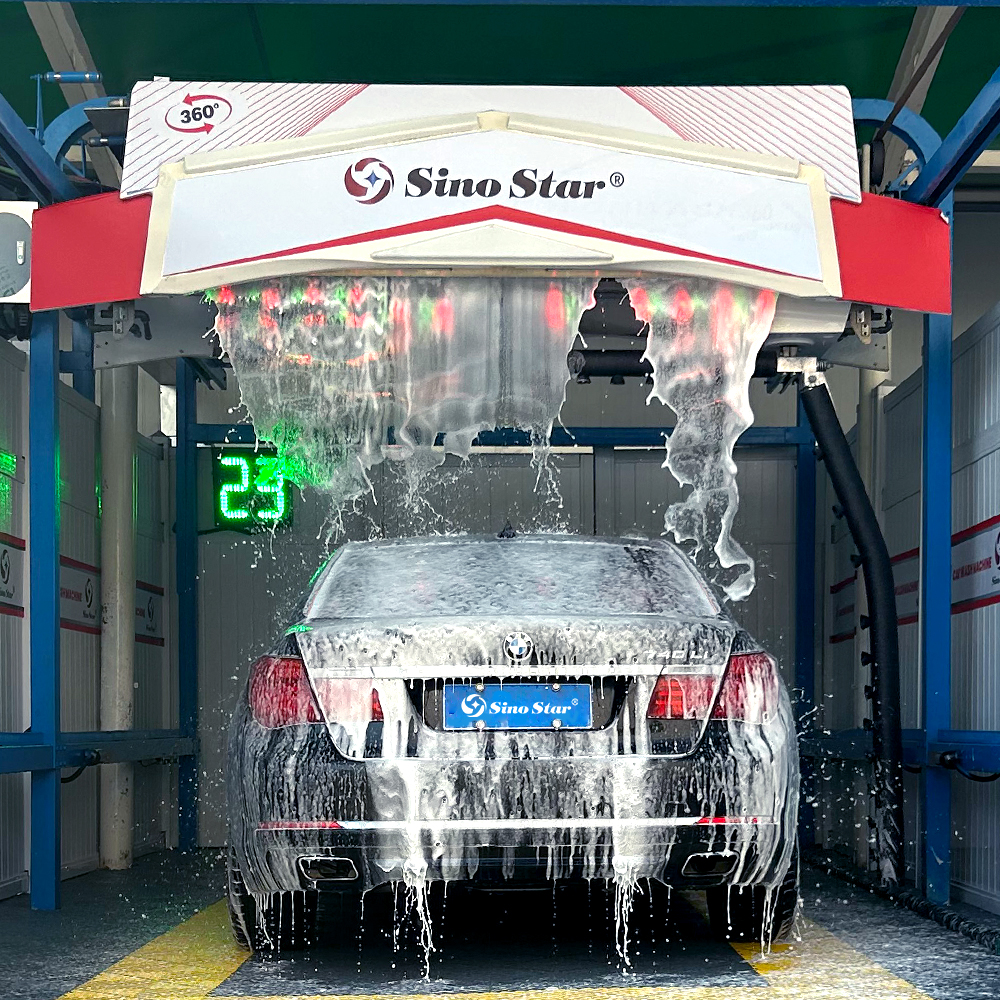
An automatic car wash can provide a relatively standardized washing process. Operators need to consider equipment capacity, vehicle movement, cleaning requirements, and maintenance arrangements when deciding whether this model suits their site.
A self-service car wash gives customers more control over the process. It may suit customers who prefer to wash their own vehicles, but its performance depends on location, ease of use, customer habits, payment arrangements, and ongoing management.
Neither approach is automatically the better business. The right choice depends on the local market and the operator's goals.
Sino Star offers different types of automatic and self-service car wash equipment. For operators considering a new project or a change in their existing business, the first step is to identify the problem they want to solve, then determine whether a different equipment configuration or operating model can realistically address it.

More Services Do Not Automatically Mean More Profit
When traditional washing services become difficult to differentiate, some operators consider adding vacuuming, interior cleaning, motorcycle washing, or pet washing.
These services may help address different customer needs, but each comes with its own investment and operating requirements.
Additional equipment requires space and maintenance. Wet cleaning services may need suitable drainage and wastewater arrangements. Pet washing requires appropriate hygiene practices and a layout that separates the service from vehicle cleaning activities.
Before expanding, operators should evaluate local demand, customer suitability, equipment costs, expected usage, and ongoing expenses.
Rather than introducing several services at once, consider testing one clearly defined opportunity. Monitor actual customer usage and operating costs before committing to further investment.
Diversification works best when it solves a genuine customer problem and fits naturally into the business. Adding equipment simply to make the service list longer is unlikely to create a sustainable advantage.
Start With the Numbers Before Redesigning the Business
A more effective business model begins with a clear understanding of current performance.
Track monthly vehicle volume, revenue by service, fixed expenses, variable costs per wash, and equipment utilization. Then examine when the site is busiest, where delays occur, and which services customers actually use.
These figures can help identify the real source of the problem.
If customer traffic is too low, the business may need to reassess its location, marketing, or target audience. If waiting times are excessive, vehicle flow or equipment capacity may deserve attention. If customers focus almost entirely on price, the operator may need to improve the perceived value of the service or rethink the customer experience.
Different problems require different solutions. A new machine will not necessarily fix weak demand, just as a marketing campaign will not solve a poorly designed vehicle layout.
Price competition is unlikely to disappear simply because one operator changes strategy. However, car wash businesses can reduce their dependence on discounts by improving operations, clarifying their service offering, and exploring additional services where there is a genuine market opportunity.
Rethinking a business does not always mean expanding the facility or buying more expensive equipment. Sometimes, the most useful first step is to understand customer needs, operating costs, and equipment utilization more clearly.
For operators planning a new car wash or looking to improve an existing facility, exploring different washing technologies and real-world applications can help inform the next decision. Visit the official Sino Star Car Wash YouTube channel for equipment demonstrations and installation examples that may help you evaluate potential solutions for your business.